Urban Resilience
Urban Resilience
Research project
Office Southeast
This is an 8-month mixed-methods study led by Michael Dziwornu and funded by the Global Disaster Preparedness Center (GDPC) research grants programme. It asks a simple but urgent question: Do Ghana’s flagship social-protection programmes especially the Livelihood Empowerment Against Poverty (LEAP) cash transfer actually make city dwellers safer and more adaptive in the face of floods, heat waves and other climate shocks?
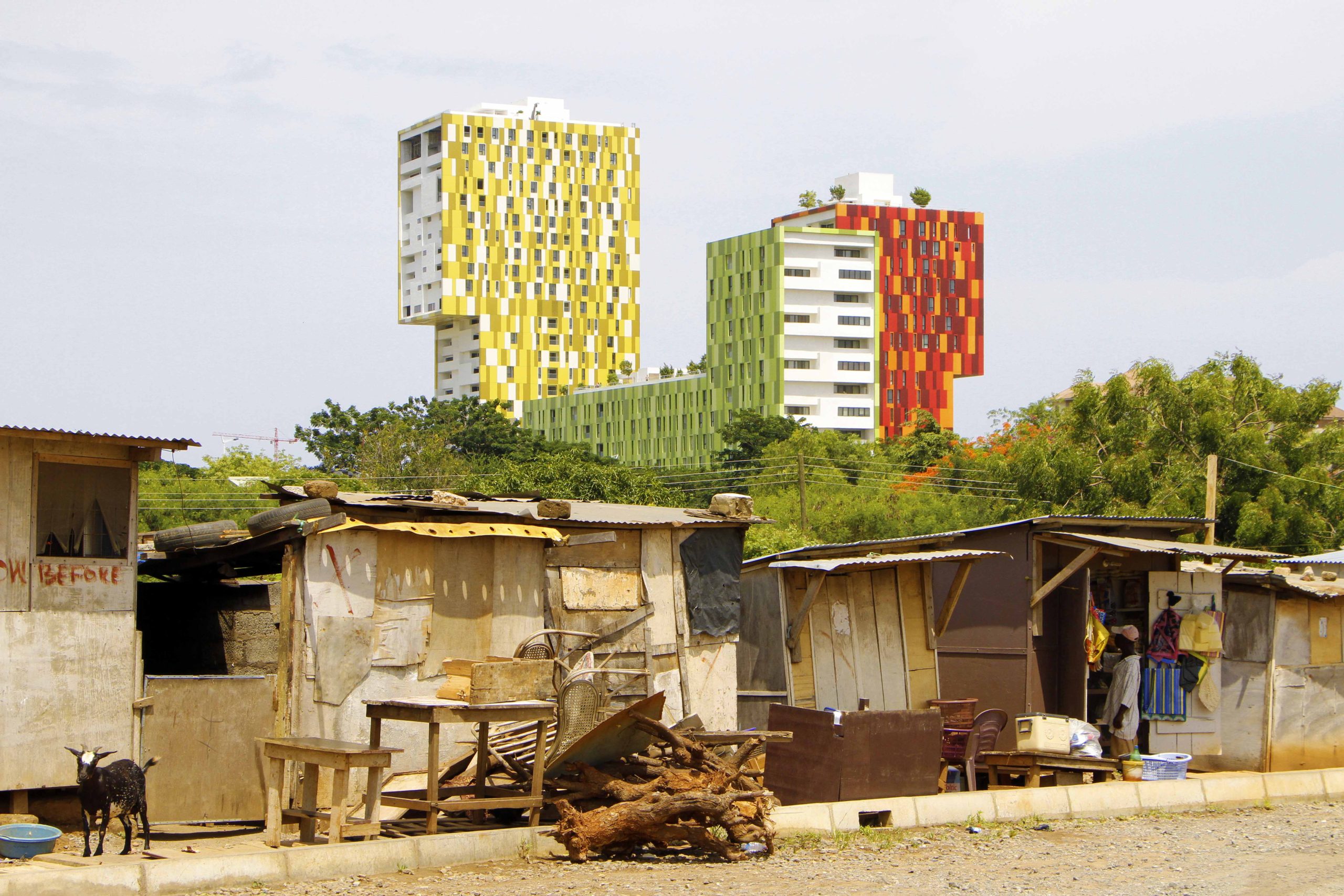
To answer it, the team surveyed households across five Accra neighbourhoods (both planned and informal), and followed up with key-informant interviews and focus-group discussions. The design lets us (1) quantify differences in absorptive, adaptive and transformative capacities across settlement types; (2) trace how programme design, governance bottlenecks and community initiatives mediate those outcomes; and (3) generate concrete, evidence-based recommendations for shock-responsive cash top-ups, climate-smart public works and stronger state–community collaboration. Ultimately, the project will equip Ghana’s Ministry of Gender, Children and Social Protection, city authorities and civil-society partners with a practical roadmap for aligning poverty-reduction spending with urban-resilience goals, insights that will also be relevant to other rapidly urbanising countries across sub-Saharan Africa.