Oblique Histories of Nigerian Architecture
Oblique Histories of Nigerian Architecture
Research project
Office Southeast with Warebi Brisibe and Adedoyin Teriba
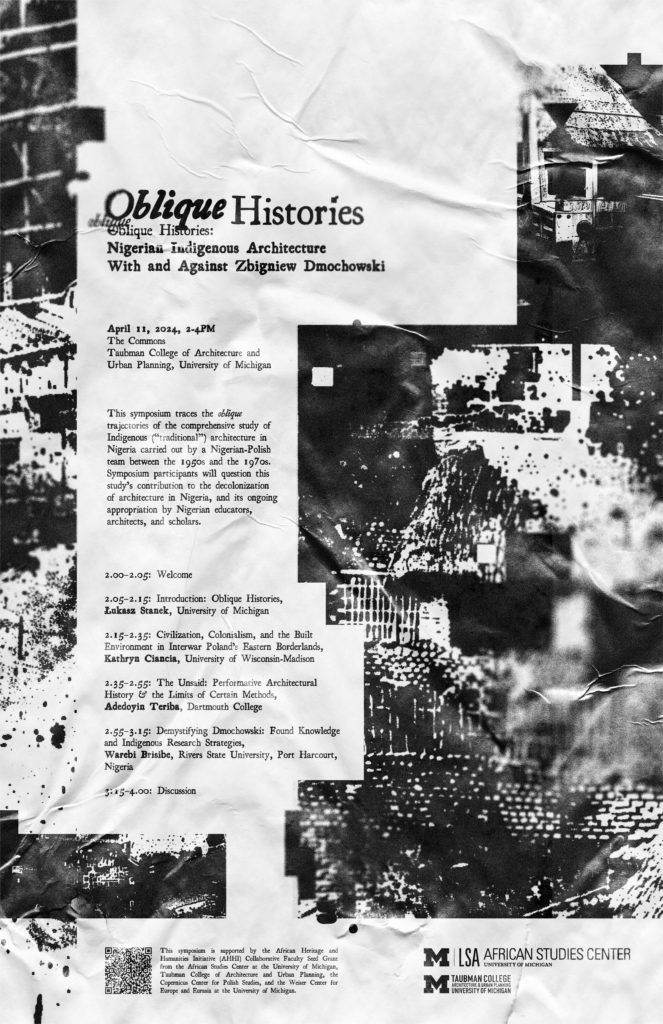
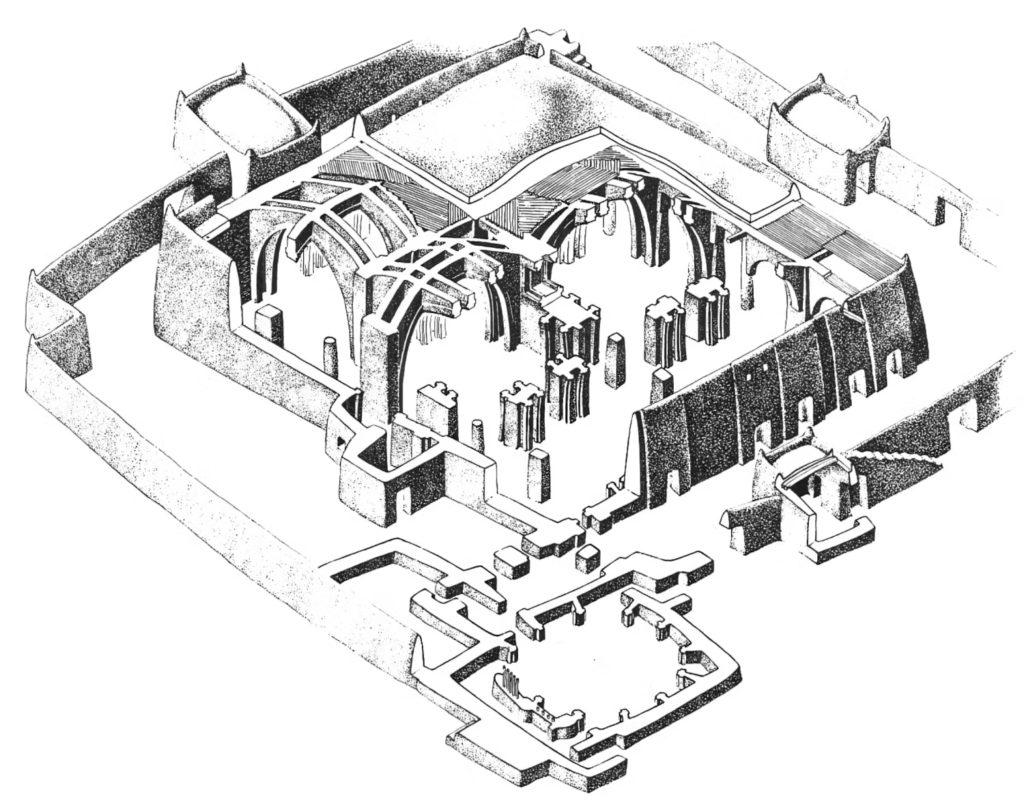
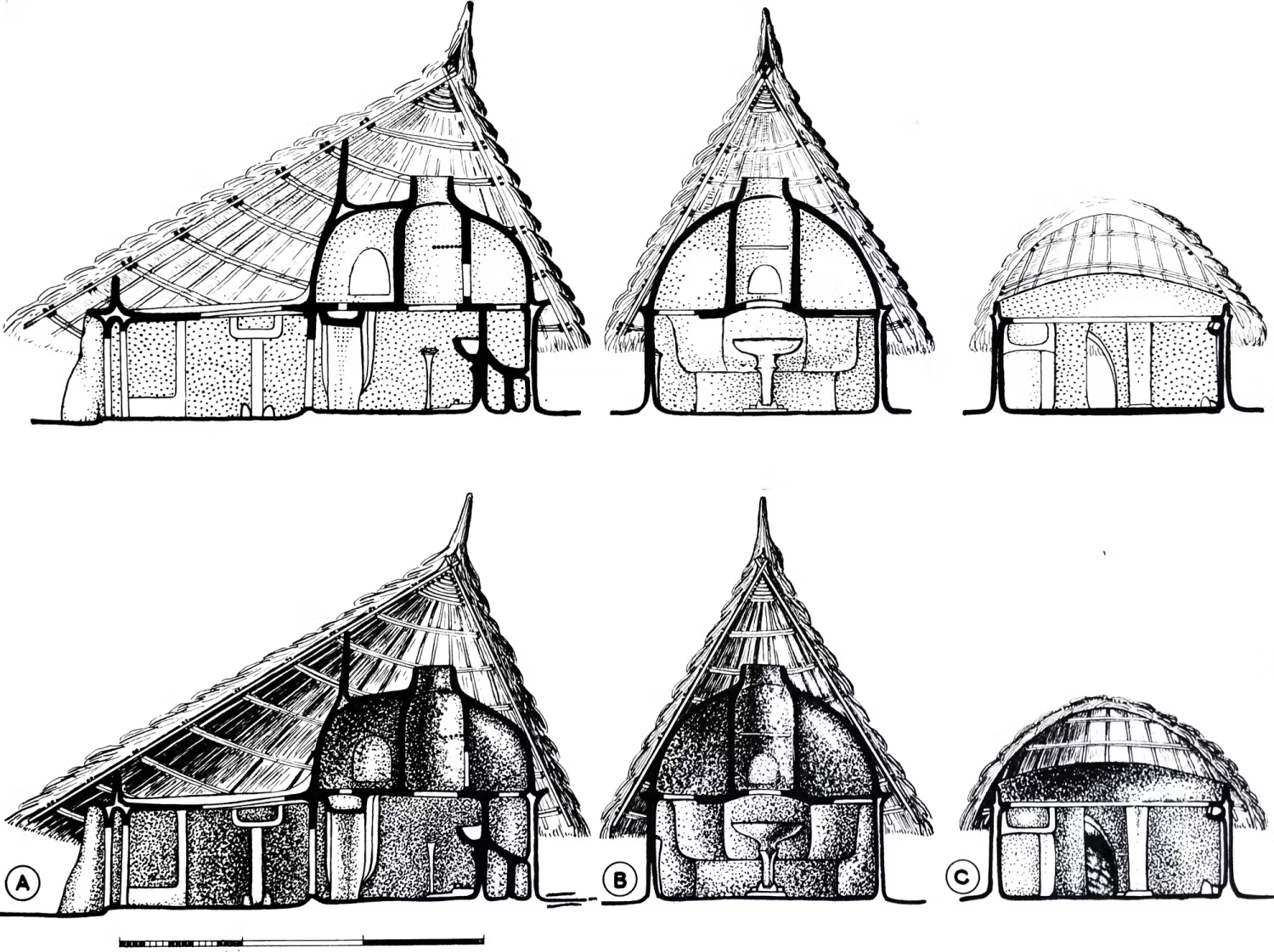
This project connects archives of drawings and other survey materials focused on vernacular (“traditional”) architecture in Nigeria, carried out between the 1950s and the 1970s by a Nigerian-Polish team led by Zbigniew Dmochowski (1903-82): Polish architect, historian, and the first director of the Museum of Traditional Nigerian Architecture at Jos, Nigeria. While Dmochowski’s surveys are considered foundational for the history of vernacular building cultures in Nigeria, they have been only partially published and have not been systematically studied by scholars. This project connects archives in Poland and Nigeria, and studies the methodology, conceptual decisions, and institutional frameworks of the Nigerian-Polish team in the context of decolonization, the Civil War in Nigeria, and the Cold War.
Dmochowski’s surveys were based on his research methods employed as part of the 1930s “internal colonization” of then-eastern territories of Poland, today Belarus and Ukraine. By contrast, he and his team claimed that the application of these methods in independent Nigeria aimed at the decolonization of architecture in the country. We question this argument by studying the impact of Dmochowski and his Nigerian collaborators, such as educator Ekundayo Adeyemi and architect Demas Nwoko, on architectural pedagogy, preservation, design, and research in Nigeria since the 1960s. By connecting architectural cultures in Poland and Nigeria, two countries located at the “peripheries” of Western centers of knowledge production, this project contributes to a more counterhegemonic history of 20th century architecture.
This project has been supported by the African Heritage and Humanities Initiative at the Univresity of Michigan and the Charles Jencks Foundation in London.